
Category: Education, AI and Education
How to Successfully Submit an Education Research Paper: Expert Journal Submission Tips
Publishing in a peer-reviewed journal is a major achievement for researchers in education. However, many strong manuscripts are rejected not because of weak research, but due to poor journal selection, formatting errors, or failure to follow submission guidelines.
If you are planning to publish, this guide provides practical journal submission tips for education research to help you navigate the process confidently and improve your acceptance chances.
1. Choose the Right Journal for Your Education Research
Selecting the right journal is the foundation of successful publication.
Before submitting, carefully review the journal’s Aims and Scope page. Your manuscript must align with:
-
The journal’s thematic focus
-
Target readership (academicians, policymakers, teachers)
-
Preferred research methodology (qualitative, quantitative, mixed-method)
For example, if your research focuses on higher education development, submitting to a journal specializing in school education may lead to desk rejection.
You can explore relevant education journals and their focus areas at https://ijhed.com.
Check Indexing and Credibility
Ensure the journal:
-
Has a transparent peer review process
-
Publishes clear author guidelines
-
Lists an editorial board
-
Maintains ethical publication policies
Avoid journals that promise unrealistically fast publication without review.
2. Follow Manuscript Submission Guidelines Strictly
One of the most common journal submission mistakes is ignoring formatting instructions.
Each journal has specific requirements regarding:
-
Font style and size
-
Spacing and margins
-
Citation format (APA is common in education research)
-
Word limit
-
Structure
Even minor formatting issues can delay review or lead to rejection.
Before submission, carefully read the author instructions available on https://ijhed.com/author-guidelines
3. Structure Your Paper Professionally
A standard education research paper should include:
-
Abstract
-
Keywords
-
Introduction
-
Literature Review
-
Methodology
-
Results
-
Discussion
-
Conclusion
-
References
Write a Strong Abstract
Your abstract is the first section editors and reviewers read. It should clearly mention:
-
Research problem
-
Objectives
-
Methodology
-
Key findings
-
Contribution to the field
A weak abstract often results in immediate rejection.
You may refer to additional academic writing resources at https://ijhed.com to refine your manuscript structure.
4. Ensure Ethical Compliance
Ethical integrity is critical in education research publication.
Plagiarism Check
Before submission:
-
Use plagiarism detection software
-
Properly cite all sources
-
Avoid excessive similarity
Most journals have strict similarity thresholds.
Ethical Approval and Consent
If your study involves students, teachers, or institutions, ensure:
-
Participant consent was obtained
-
Confidentiality is maintained
-
Ethical approval (if required) is mentioned
Clearly state ethical considerations in your methodology section.
5. Prepare a Professional Cover Letter
A well-written cover letter strengthens your submission.
Include:
-
Manuscript title
-
Brief explanation of the research contribution
-
Confirmation of originality
-
Statement that the manuscript is not under review elsewhere
Keep it concise (200–300 words). A professional cover letter signals seriousness and credibility.
6. Understand the Peer Review Process
After submission, your manuscript typically goes through:
-
Editorial screening
-
Peer review
-
Revision (minor or major)
-
Final decision
The peer review process in education journals may take 4–12 weeks.
Do not panic if you receive revision comments. Revisions are common and part of academic publishing.
For more insights into the review and publication process, explore journal policies at https://ijhed.com.
7. Respond to Reviewer Comments Strategically
When revisions are requested:
-
Respond to each comment point-by-point
-
Highlight changes in the revised manuscript
-
Maintain a respectful tone
-
Provide clear explanations where you disagree
Professional communication significantly improves acceptance chances.
Never ignore reviewer suggestions without justification.
8. Common Journal Submission Mistakes to Avoid
Even experienced researchers sometimes make avoidable errors:
-
Submitting to the wrong journal
-
Ignoring formatting rules
-
Weak literature review
-
Poor grammar
-
Missing ethical statements
-
Incorrect reference style
-
Overstating conclusions
A final proofreading session before submission can prevent many of these issues.
Final Submission Checklist
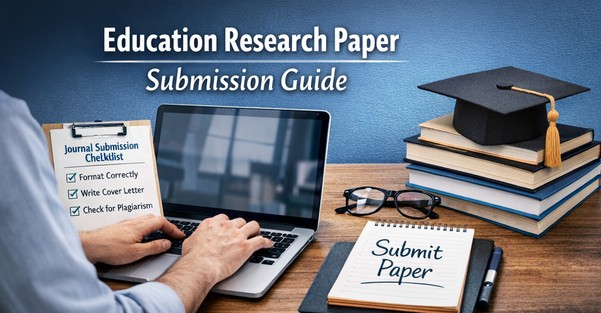
Before clicking “Submit,” confirm:
✔ Journal scope matches your topic
✔ Formatting guidelines followed
✔ Abstract refined
✔ Plagiarism checked
✔ Ethical statement included
✔ Cover letter attached
✔ References properly formatted
✔ Correct files uploaded
Using a checklist improves submission accuracy and reduces delays.
Conclusion
Successfully submitting an education research paper requires more than quality research. It demands strategic journal selection, strict adherence to manuscript submission guidelines, ethical transparency, and professional communication during peer review.
By applying these expert journal submission tips for education research, you can significantly increase your chances of acceptance and contribute meaningfully to the academic community.